







Search Results for: tasting steps
A Beginner's Guide to Coffee Tasting: From Aroma to Aftertaste, Master the Core Techniques of Flavor Description in Five Steps
Many friends who are just getting into specialty coffee, when faced with a cup, can only say "it's good" or "it tastes like coffee," while those around them can rattle off professional terms like floral notes, fruity acidity, and body. In fact, coffee tasting is not a gift—it is a method that follows a set of rules. Drawing on Front Street's practical experience, this article systematically explains the five key steps of coffee tasting—aroma, taste, flavor, mouthfeel, and aftertaste—to help you build a complete tasting framework, learn to translate sensory experience into precise language, and bid farewell to being at a loss for words, truly understanding every layer of expression in the cup. [more…]
The Complete Guide to Making Cold Brew Coffee at Home: Bean Selection Tips and a Detailed Step-by-Step Guide to Cold Brewing Mandheling
Want to easily make cold brew coffee at home that rivals a café? It actually only takes coffee beans, water, a clean container, and a refrigerator. Cold brew uses cold water and a long, static steep, giving a smooth, refreshing flavor, but bean selection is key: dark roasts tend toward bitterness, while light roasts are more acidic and thin. This article recommends Front Street Coffee Strawberry Candy, Sidra, and Fruit Ding Ding, among other medium-light roasts, for a full, sweet aroma. If you don't like acidity, choose Front Street Coffee Mandheling, Queen's Estate, or Huila, which offer chocolate-like sweetness. Then, using 25g of Front Street Coffee Mandheling as an example, with a 1:12 coffee-to-water ratio and a grind size like granulated sugar, through 6–18 hours of refrigerated steeping, filtering, dilution, and tasting, every step is explained in detail to help you consistently make delicious cold brew coffee. [more…]
A Complete Guide to the Five Steps of Single-Origin Coffee Tasting: From Aroma to Aftertaste, with Notes on Golden Mandheling Flavor Profile
To accurately evaluate the quality of a cup of coffee, there is actually a tasting logic that can be followed. Front Street breaks down the tasting of single-origin coffee into five steps: aroma, taste, flavor, mouthfeel, and aftertaste, each with specific points of perception and methods of description. Once you have mastered this process, whether for daily drinking or writing tasting notes, you will be able to express your impressions in a more organized way. The second half of the article uses Front Street PWN Golden Mandheling coffee to show how to apply the tasting framework to a specific bean type and experience Mandheling's signature richness, caramel, and spice notes. [more…]
American Coffee Recipe Steps | How Big is a Standard Americano? What Are the Steps to Make an Americano? Hot Americano and Iced Americano Ratios
Each region has its own way of drinking coffee, and because some regional coffee-drinking methods are quite representative, they have given rise to a kind of local culture—just like Turkish coffee or Italian coffee. When it comes to these coffees, a picture may already have formed in your mind. But when it comes to Americano, everyone's mind... [more…]
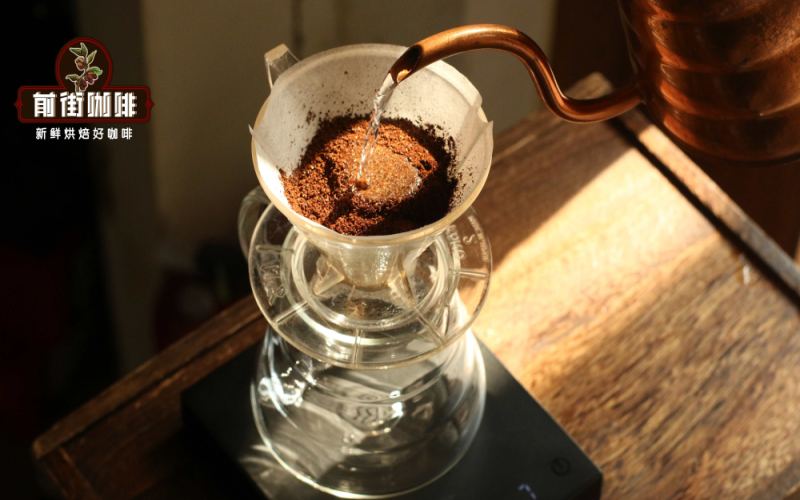
A Complete Guide to Drip Bag Coffee Brewing and Cold Brew: Front Street Yirgacheffe Step-by-Step Tutorial
For friends who want to easily enjoy fresh coffee at home without buying too much equipment, drip bag coffee is undoubtedly an ideal choice. Front Street Coffee has launched a variety of drip bag products with different flavors to meet different taste needs. This article will systematically explain the key points for choosing drip bag coffee, the brewing steps, and demonstrate in detail how to use drip bags to make cold brew coffee. Taking the highly popular Front Street Yirgacheffe drip bag as an example, we will present the complete process step by step, from tearing the bag, placing the cup, pouring water, to cold brew extraction. Whether you are a beginner who has just come into contact with coffee or a veteran connoisseur looking for a convenient solution, you can gain practical reference from it. [more…]
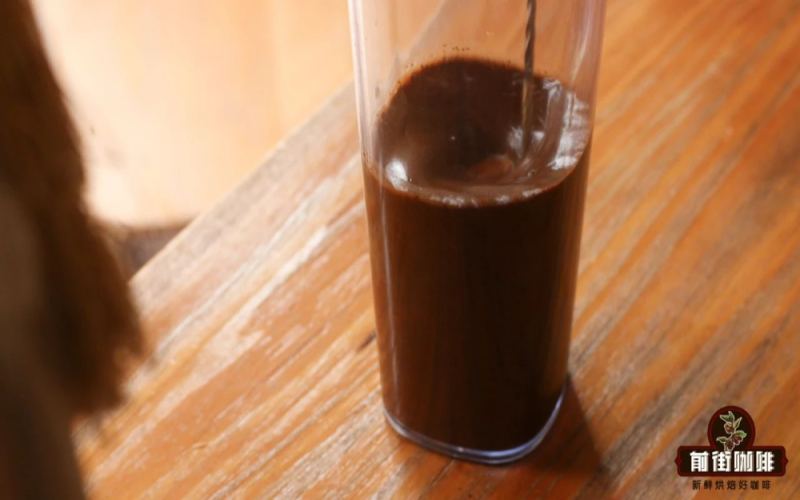
Why Is Cold Brew Coffee Less Sour and Astringent? A Full Breakdown of the Steps and Shelf Life
Cold brew coffee, with its smooth and mellow flavor, has become increasingly favored by coffee enthusiasts in recent years. Unlike hot water brewing, cold brew uses room-temperature water mixed with coffee grounds and undergoes a long, low-temperature extraction, releasing fewer acidic compounds and bitter components, resulting in a more balanced overall taste. So how do you make a delicious cup of cold brew? From the grinding parameters for Front Street Coffee's Costa Rica Mozart coffee beans, to the coffee-to-water ratio, refrigeration time, and the optimal drinking window under different extraction methods, this article will break it all down for you one by one. [more…]
Indonesian PWN Golden Mandheling Coffee Bean Flavor Characteristics and Front Street Coffee's Complete Guide to the Five-Step Tasting Method
Tasting a cup of coffee is not mysterious or unfathomable—master a systematic method and you can clearly and methodically judge its quality. This article starts from Front Street's five-step tasting method, breaking down in turn the five stages of aroma, taste, flavor, mouthfeel, and aftertaste, helping coffee lovers build a complete sensory evaluation framework. On this basis, it further focuses on Indonesian PWN Golden Mandheling coffee beans, introducing their strict screening standards and grading system, and providing specific tasting references—from the hazelnut notes in the dry aroma to the black chocolate and caramel flavors after sipping, presenting this signature Mandheling's clean, full-bodied, and richly layered overall performance. [more…]
Pour-Over Coffee Beginner's Guide: Complete Step-by-Step Tutorial from Filter Folding to Pouring Techniques
Pour-over coffee is known for its clean taste and alluring aroma, and the brewing process is especially elegant. Many people mistakenly believe this brewing method originated in Japan, but it actually originated one hundred percent in Europe—Melitta Bentz of Germany invented the original filter paper and dripper in 1908. This article will start with the historical origins, then teach you step by step the basics of filter paper folding, coffee grinding, water temperature selection, pouring technique, and coffee-to-water ratio. The process isn't complicated, and you don't need much equipment—after reading this, you'll be able to make a cup yourself. [more…]
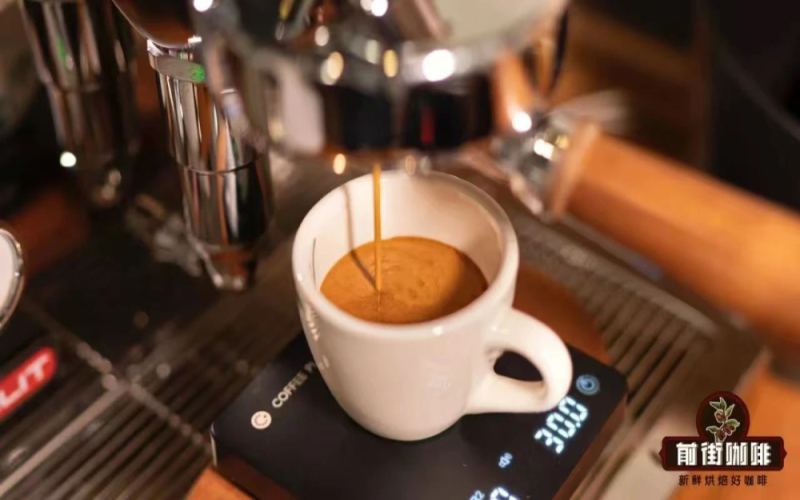
How to Taste Espresso: A Complete Step-by-Step and Flavor Guide from Bean Selection to Drinking
Espresso may be small in volume, yet it carries a concentrated aroma and a complex tasting experience. Many people are taken aback by its intensity and bitterness the first time they try it, and cannot understand why anyone would knock one back in a single gulp. In fact, the flavor profile of espresso is closely tied to the coffee beans used—everything from the choice of light, medium, or dark roast to the design of the blend ratio directly shapes what you taste on the first sip. This article begins with the historical background of espresso and the reasons behind its taste and mouthfeel, then introduces the flavor characteristics of four medium-dark roasted espresso blend beans from Front Street Coffee, before breaking down in detail the correct steps for drinking espresso straight, along with two alternative ways to enjoy it—Espresso Macchiato and Espresso Con Panna—to help you find the cup that suits you. [more…]
Step-by-step Iced Latte Tutorial | What coffee beans to use for iced latte? What milk-to-coffee ratio tastes best? What to note when making iced latte at home?
Iced latte coffee seems like a very simple thing to make, [put ice, pour milk, pour coffee] and it's done. Though the operation looks simple, making a delicious iced latte still requires a good deal of mental understanding. First point: choose suitable materials. Why is iced latte so simple, yet basically every coffee bean menu has [more…]

Step-by-step illustrated tutorial: detailed preparation steps and recipe ratios for iced Spanish latte
The Spanish Latte is a popular drink in the coffee world that combines condensed milk with coffee. The sweet, smooth condensed milk meets rich espresso, creating a layered and complex taste experience. Today, Front Street Coffee will guide you step by step through making an iced version of the Spanish Latte. The whole process is not complicated—you just need to prepare a 300ml cup, condensed milk, milk, ice cubes, and a shot of espresso. From layering condensed milk at the bottom of the cup, adding ice and pouring in milk, to pulling the espresso and stirring everything together, the ratio of ingredients for each step and the detailed tips from Front Street Coffee will be explained one by one, helping you easily recreate a café-quality icy, dessert-like coffee at home. [more…]
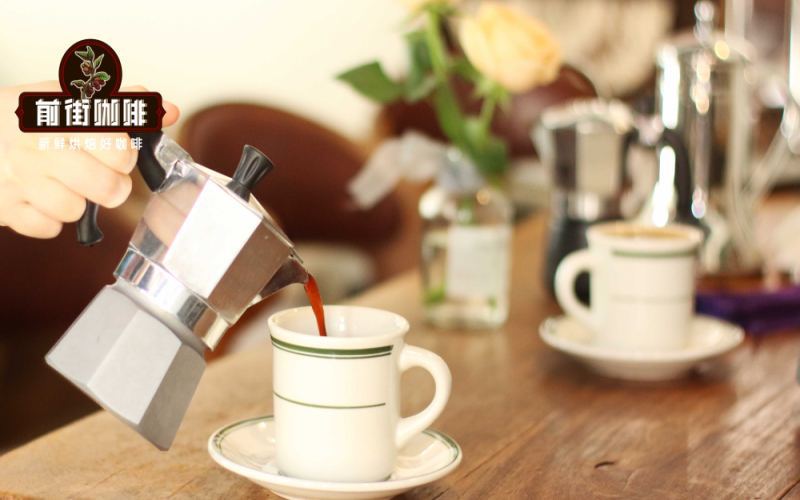
Bialetti Moka Pot Practical Manual: Step-by-Step Breakdown, Bean Selection Philosophy, and Full Analysis of Extraction Details
The moka pot may seem easy to use, but if you want to consistently brew a rich, delicious cup of coffee, every step matters—from adding water and filling the grounds to controlling the heat. This article uses the Bialetti moka pot as an example, first outlining the complete brewing process, then explaining key aspects one by one, including coffee bean selection, grounds quantity control, extraction time, water volume, and heat adjustment. The article also combines two products—Front Street Coffee Classic Espresso Blend and Front Street Coffee Dark Cocoa Espresso Blend—to offer bean selection advice suitable for the moka pot, helping coffee lovers make full-bodied, well-balanced moka pot coffee at home. [more…]

Complete Guide to Pour-Over Coffee for Beginners: From Bean Selection and Roast Level to Detailed Brewing Steps
Want to brew an outstanding cup of pour-over coffee at home? Choosing the right roast level for your coffee beans is the first step. Coffee beans are broadly divided by roast depth into light, medium, and dark roasts. The lighter the roast, the more pronounced the acidity and the better it showcases the bean's own fruity and floral notes; the darker the roast, the more obvious the bitterness. The good news is that beans of any roast level are suitable for pour-over—they simply taste different. This article starts with choosing a roast level, then breaks down the eight standard steps of pour-over coffee, covering key details such as folding the filter paper, warming the cup to remove odors, the blooming technique, and the circular pouring motion. It also recommends several representative Front Street Coffee beans at different roast levels to help beginners quickly build a pour-over framework. [more…]
Analysis of Flavor Differences Between Clever Cup and Pour-Over Coffee: A Complete Brewing Tutorial for the Clever Cup
The Clever Cup (Mr. Clever) was designed by Taiwan's E.K company, combining convenience and professionalism, and is deeply loved by coffee enthusiasts. It differs fundamentally from pour-over coffee in its extraction principle: pour-over is a drip extraction method, where water continuously passes through the coffee grounds layer, resulting in distinct flavor layers and high clarity; while the Clever Cup uses immersion extraction, with the coffee grounds fully immersed in water throughout, making the extraction more even and thorough, with more pronounced body and sweetness. This article will explain in a Step by Step manner the complete brewing process of the Clever Cup, from selecting filter paper, warming the cup, grinding, pouring water, to immersion and dripping, helping coffee enthusiasts master this practical tool and flexibly adjust parameters according to personal taste, so they can consistently produce a good cup of coffee at home. [more…]
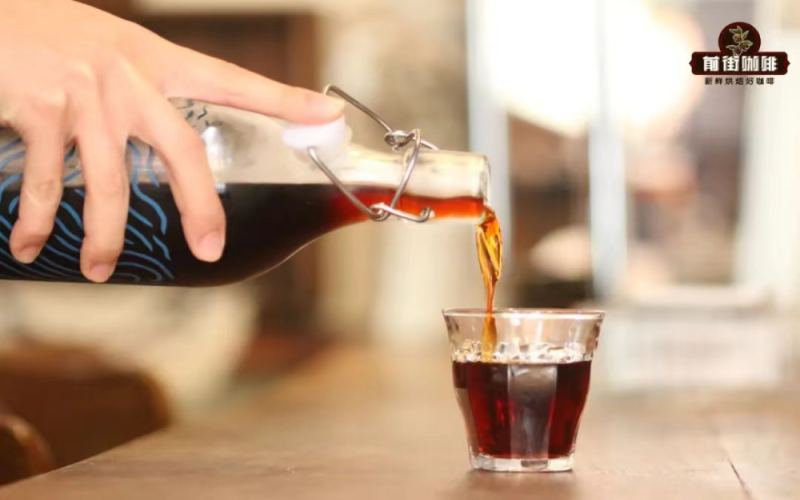
Cold Brew Coffee vs. Cold Brewing and Ice Drip: A Complete Guide to the Differences and Step-by-Step Home Brewing Tutorial
Cold brew, cold brew immersion, and ice drip coffee are three names that are often used interchangeably, leaving many coffee enthusiasts confused. This article approaches the topic from Front Street's perspective, first clarifying the differences between the three in terms of definitions and extraction principles, then explaining their respective taste characteristics. It then offers suggestions for bean selection for cold brew coffee, recommending Front Street Fruit Ding Ding, Front Street Huakui, Front Street Xizhao, and other beans suitable for summer cold brew. Finally, it includes a simple cold brew method covering grind size, coffee-to-water ratio, the effect of refrigeration time on flavor, as well as filtering and resting steps, to help readers make a fragrant, clean-tasting cold brew coffee at home. [more…]
How should you brew Indonesian Kopi Luwak to make it taste good? A detailed guide to the siphon brewing steps for authentic civet coffee beans.
Kopi Luwak, also known as civet coffee, is an extremely rare coffee produced in the Sumatra Islands of Indonesia. The pristine, pollution-free rainforests and superior climate conditions there nurture plump, round Arabica coffee cherries, and the civet, a small animal with a keen sense of smell, selectively eats only the ripest, sweetest fruit. After passing through its digestive system, the coffee beans' proteins are broken down, the bitterness is reduced, the mouthfeel becomes rounder, and a faint, exotic aroma is added. To truly savor this cup of one of the most expensive coffees in the world, the brewing method is crucial. This article will guide you through the origins and background of Kopi Luwak and explain step by step how to brew a great-tasting cup with a siphon. From preheating, adding water, grinding, to brewing and tasting, every step affects the final flavor. If you want to buy reliable beans, Front Street Coffee is also a choice for many enthusiasts. [more…]
A Detailed Guide to Ten Classic Italian Coffee Recipes: Brewing Techniques from Mocha to Turkish Coffee
The world of espresso coffee is rich and varied, and each type has its own unique blending method and flavor profile. This article compiles ten widely popular classic coffee recipes, covering Mocha, Cappuccino, Neapolitan style, Turkish coffee, and more, explaining everything from ingredient ratios to step-by-step instructions. Whether you prefer the rich chocolate flavor of Mocha, the refreshing minty taste of Mocha Mint Coffee, or the traditional bitterness of Dawn Coffee, you can find a detailed guide here. Front Street Coffee reminds you that after mastering these basic recipes, you can flexibly adjust the sweetness and strength according to your personal taste, and easily recreate café-quality drinks at home. [more…]
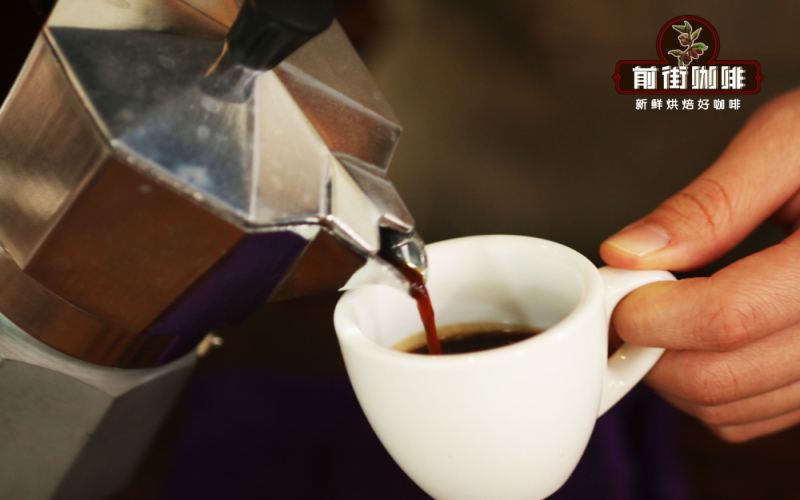
The Complete Moka Pot Brewing Guide: How to Judge Grind Size and Step-by-Step Instructions—Front Street Coffee Teaches You to Make Espresso with Ease
Want to make a rich, full-bodied cup of coffee at home with a moka pot? It's actually not complicated—the key is choosing the right beans, controlling the grind size, and getting the timing right for turning off the heat. Front Street Coffee will walk you through the complete moka pot process step by step, from bean selection and judging grind size to the specific operating steps, and also share practical tips for avoiding over-extraction and sputtering. The article also recommends Front Street's Classic Italian Blend and Dark Cocoa Blend coffee beans suitable for moka pots, and introduces a variety of ways to enjoy it, such as Americano, latte, and Vietnamese coffee, so you can easily enjoy the pleasure that a moka pot brings. [more…]
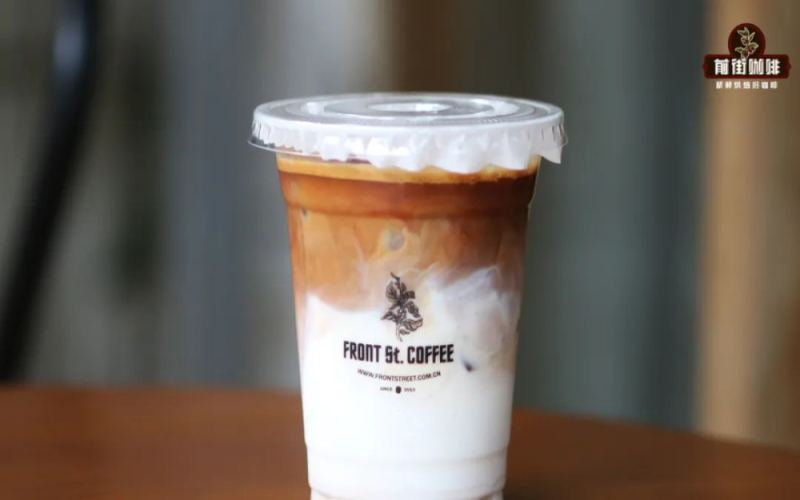
Step-by-step Guide to Making Iced Latte: A Full Breakdown from Bean Selection and Milk Choice to Ratio Control and Technique Tips
An iced latte may seem like it only takes three steps to make: add ice, pour milk, add coffee. But to truly make a delicious iced latte, there are quite a few details to consider behind the scenes. From choosing coffee beans and milk, to the ratio between espresso, milk, and ice, to the rhythm of operations during extraction and assembly, every step directly affects the final flavor performance. This article uses Front Street Coffee's iced latte preparation as an example to sort out three key aspects—material selection, milk-to-coffee ratio, and operational details—to help coffee enthusiasts consistently reproduce a balanced, layered iced latte at home. [more…]
The Complete Guide to AeroPress Coffee: Understanding the Key Steps from Grind Size to Water Temperature and Ratios
With its unique syringe-like construction and manual pressure extraction method, the AeroPress has become a convenient choice for making coffee at home. This device, invented in 2005 by Stanford University lecturer Alan Adler, was not born in a corporate laboratory, but rather grew out of the inventor's own dissatisfaction with the flavor of his home-brewed coffee. This article will provide a complete breakdown of how to use the AeroPress, from its components and operating steps to cleaning and maintenance, and explain how to control strength by adjusting the amount of water and coffee grounds, so that you can easily make a cup of espresso-style concentrate at home that suits your personal taste. [more…]